If you’re thinking of buying a home, purchasing an income property, or selling your house, we’ll show you how to get the most out of your next transaction with in-depth market insights and a proven strategy for success.
"*" indicates required fields
September 16th, 2026 | Behind The Sale
How We Sold a Don Mills Condo in 6 Days…When Space Became the Strategy | Behind The Sale
Our clients wanted to move from their condo into a house, but selling their existing property was an important first step. At the same time, the condo was in an older building without some of the features buyers have come to expect from newer developments.
THE STRATEGY
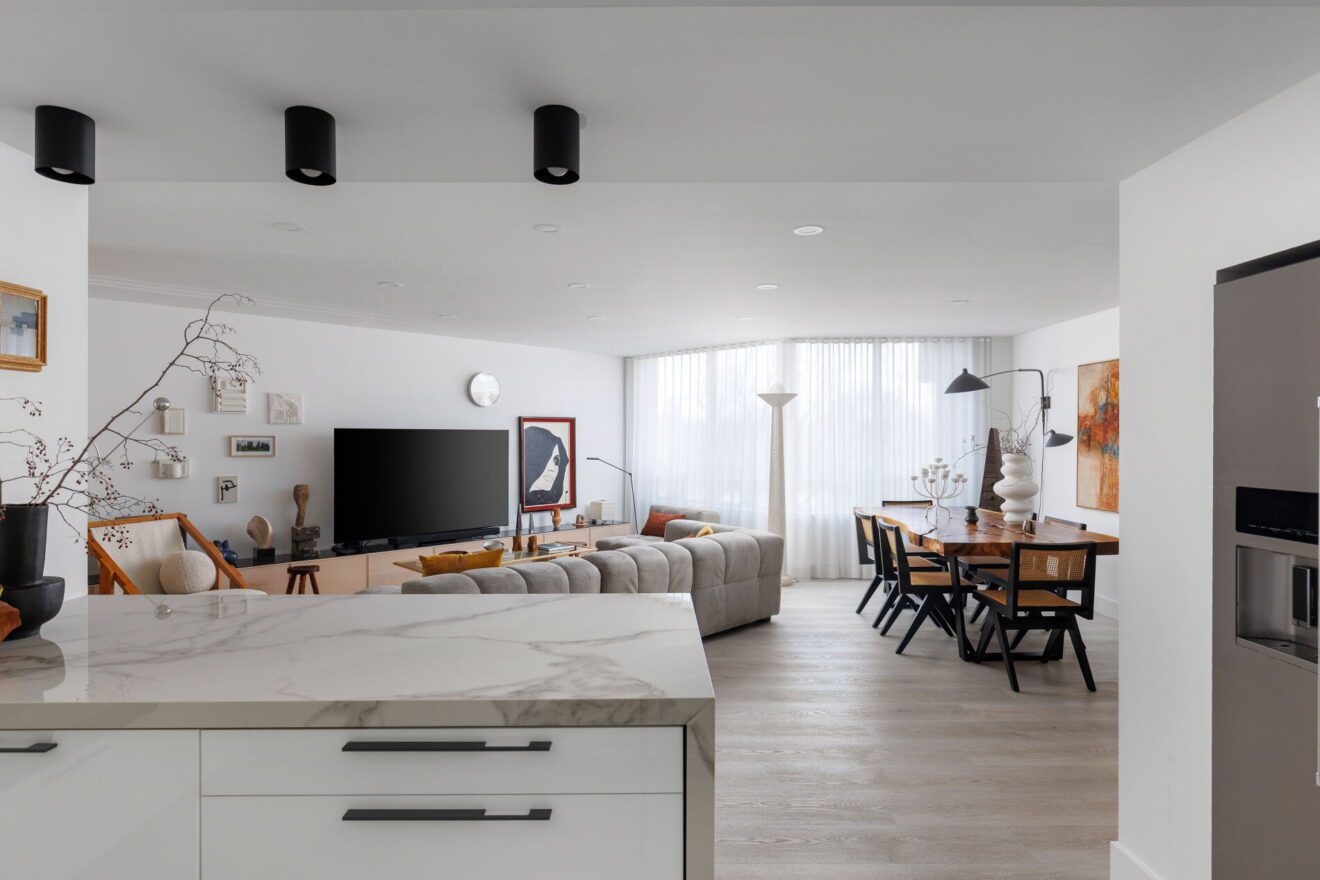
Instead of trying to compete with newer buildings on balconies, amenities or contemporary common areas, we positioned the suite around something many newer condos simply can’t recreate: approximately 1,500 square feet of well-designed living space.
THE RESULT
The condo launched on a Tuesday. By Saturday, there were two offers. It sold firm within six days, giving our clients the certainty they needed to move forward with their next purchase.
THE LESSON
Good marketing isn’t about making a property look like everything else on the market. It’s about understanding what makes it different and giving buyers a reason to value that difference.
WE WEREN’T JUST SELLING A CONDO
When our clients came to us, selling their condo was only one part of a much bigger move.
They wanted to buy a house.
But before they could comfortably make that next purchase, they needed certainty around the sale of their existing home.
That changes the conversation.
Because when one real estate decision depends on another, the objective isn’t simply to put a property on the market and hope for the best.
The first sale needs a plan.
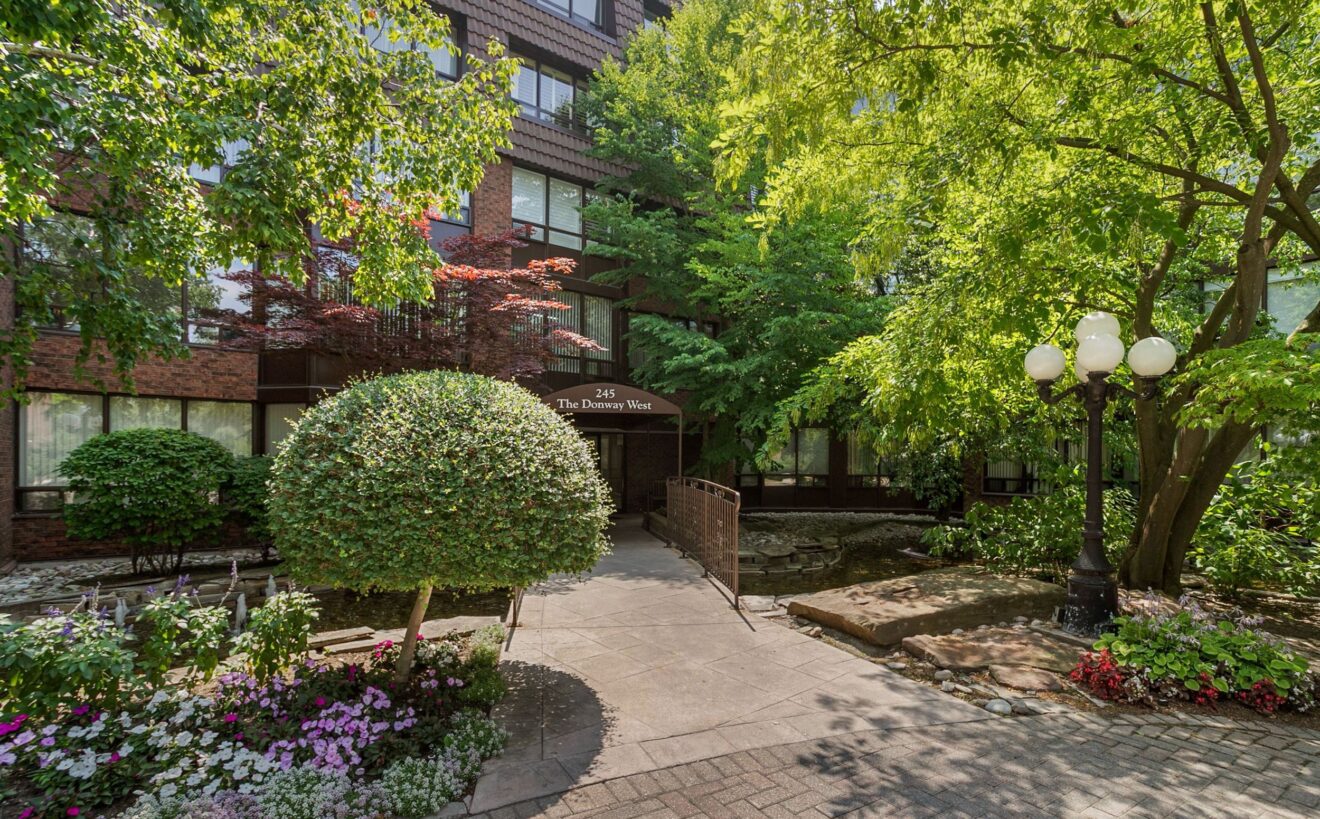
And at 245 The Donway West, we knew from the beginning that positioning would matter.
The suite was in an older Don Mills condominium.
There was no balcony.
The building wasn’t trying to compete with Toronto’s newest condos on elaborate amenities or flashy common spaces.
But walk through the front door and something else became immediately obvious.
Space.
Approximately 1,500 square feet of it.
Rooms with actual separation.
A generous living area.
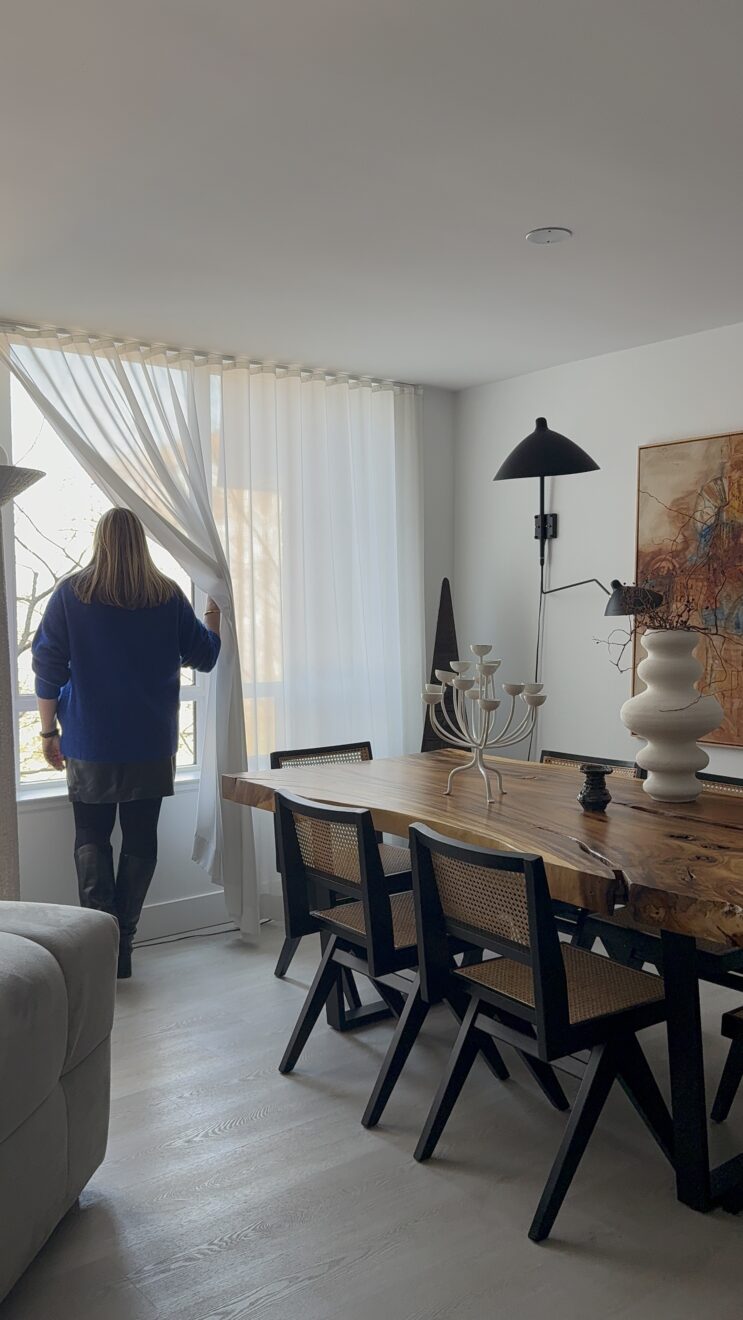
A proper dining space.
A den that could function as a genuine additional room.
Bedrooms that didn’t require choosing between a bed and everything else.
This condo came from an era when square footage was used differently.
And that became the foundation of the entire strategy.
STOP COMPETING WHERE YOU CAN’T WIN
One of the easiest mistakes in real estate marketing is trying to make every property appeal to buyers in exactly the same way.
With this condo, that would have been the wrong approach.
A newer building might offer a rooftop terrace, elaborate fitness facilities, newer common areas or a balcony.
We weren’t going to manufacture those things.
And we didn’t need to.
Instead, we asked a different question:
What does this property offer that many newer condos can’t?
The answer was right in front of us.
Space.
Not theoretical space on a floor plan.
Space you could actually use.
So rather than apologizing for the building’s age or trying to disguise what the property wasn’t, the marketing leaned into what it was.
A spacious alternative to the increasingly compact layouts found throughout Toronto’s newer condo market.
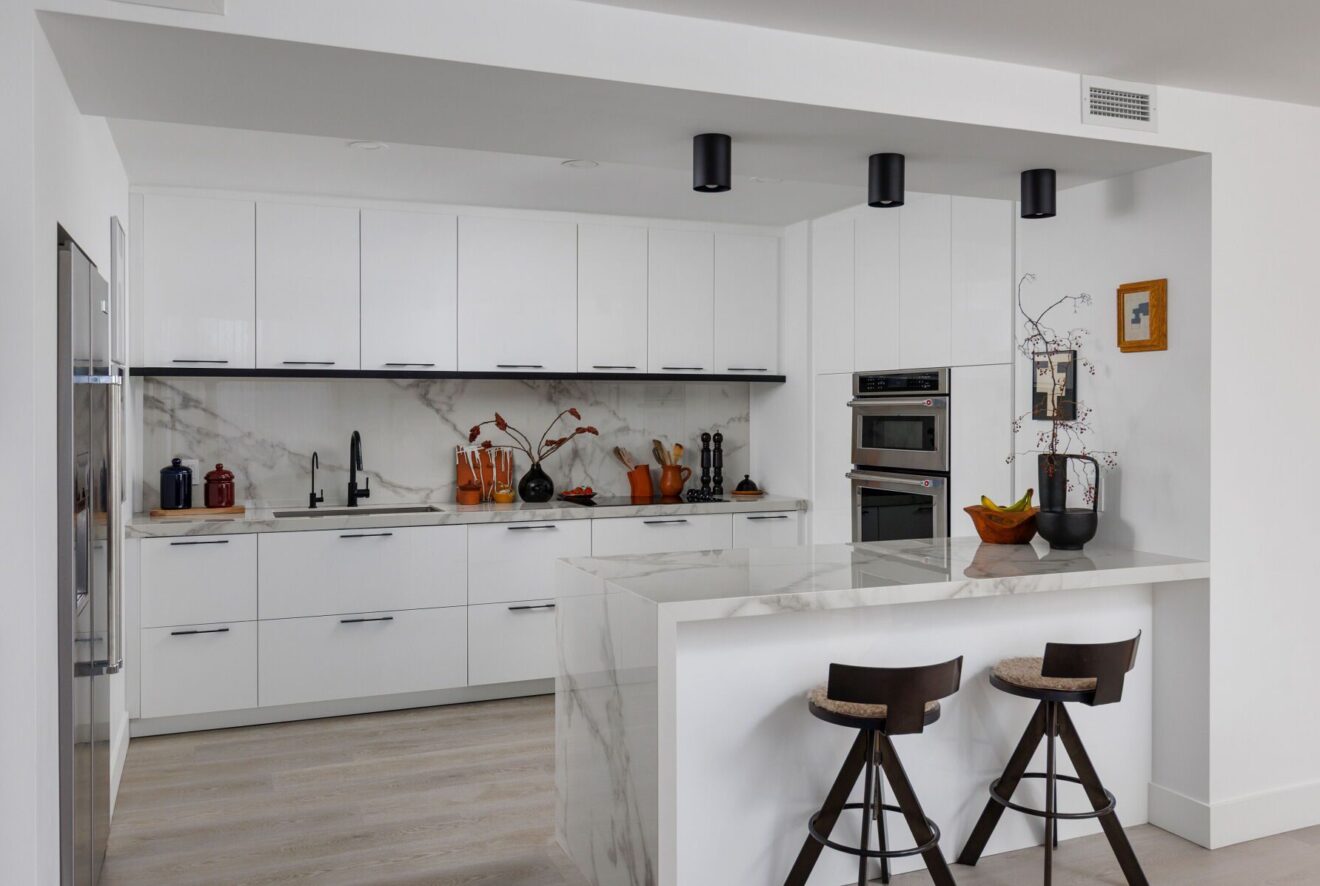
The staging, photography, video and listing copy were all designed around that idea.
We wanted buyers to understand the layout.
We wanted them to see how individual rooms could function.
And most importantly, we wanted them to imagine what approximately 1,500 square feet could give them that a much smaller suite couldn’t.
THE LOCATION STILL MATTERED
Of course, the suite wasn’t being marketed in isolation.
Part of its value was its location in Don Mills.
This is an established Toronto neighbourhood where everyday conveniences, green space, shopping and major transportation routes are all part of the broader appeal.
For us, that added another layer to the positioning.
This wasn’t about convincing someone to choose an older condo instead of a newer one.
It was about helping the right buyer understand the trade-off.
If your priorities are space, function and an established Don Mills location, what could this type of condo offer that a newer, smaller suite might not?
That’s a much more useful question.
THEN THE MARKET GOT TO DECIDE
A strategy can make sense on paper.
Eventually, buyers have to validate it.
The condo went live on a Tuesday.
Then we watched the market respond.
The objective wasn’t simply to generate clicks, views or social-media attention.
We needed buyers to physically experience the space and understand why this property deserved to be considered differently.
By Saturday, we had received two offers.
Within six days of launching, the property was sold firm.
For our clients, that firm sale meant more than getting their condo sold.
It created certainty.
And certainty allowed the next part of their plan to move forward.
TUESDAY
Listed
SATURDAY
Two Offers
6 DAYS
Sold Firm
WHAT THE SALE ACTUALLY ACCOMPLISHED
There are transactions where the sold sign is the obvious story.
This wasn’t one of them.
For us, the more meaningful part was what happened because of it.
Our clients weren’t selling simply because they wanted to leave a condo.
They were trying to make their next move, and the first transaction needed to make the second one possible.
Once the condo sold firm, they had the clarity to move forward.
They went on to secure the house they wanted.
That’s why the result wasn’t simply six days on market or two offers.
It was certainty.
The sale accomplished what it needed to accomplish so the rest of the plan could happen.
And that’s an important distinction.
Sometimes a successful sale isn’t defined only by the number on the agreement.
It’s defined by what that sale allows you to do next.
WHAT TORONTO CONDO SELLERS CAN LEARN FROM THIS SALE
1. DON’T APOLOGIZE FOR WHAT YOUR PROPERTY ISN’T
An older condo doesn’t need to pretend to be a new condo.
A property becomes much easier to market when you stop trying to hide its differences and start understanding which of those differences actually create value.
2. FIND THE ADVANTAGE YOUR COMPETITION CAN’T EASILY REPLICATE
Finishes can be changed.
Furniture can be changed.
Paint can be changed.
Square footage can’t.
At The Donway, approximately 1,500 square feet gave us a meaningful point of differentiation from many smaller condo layouts.
3. MARKETING SHOULD HELP BUYERS UNDERSTAND THE TRADE-OFF
Every property involves trade-offs.
The job isn’t to pretend they don’t exist.
The job is to make the property’s strongest advantages clear enough that the right buyer can decide whether those trade-offs make sense for them.
4. IF YOU’RE SELLING TO BUY, PLAN BOTH TRANSACTIONS TOGETHER
When the sale of one property affects the purchase of another, those decisions shouldn’t be treated independently.
Timing, financing, conditions, market exposure and risk all need to be considered as parts of one move.
💡 ONE THING WE’D DO FIRST: Before changing your condo, figure out what buyers should value about it.
Condo sellers often begin preparing by asking:
“What should we update?”
We’d start somewhere else.
What is the strongest reason someone should choose this condo over the alternatives?
Maybe it’s the view.
Maybe it’s the location.
Maybe it’s the outdoor space.
Maybe it’s the layout.
Maybe it’s the building.
Or maybe, as it was at The Donway, it’s something increasingly difficult to find.
Space.
Once you understand that, decisions around staging, photography, pricing and marketing become much easier.
THINKING ABOUT SELLING?
Whether you’re planning to move next month or next year, the best time to begin preparing is almost always earlier than you think.
If you’d like to talk through your plans, we’d be happy to help you build a strategy that fits your timeline, your goals, and your home.
Not necessarily. Older condos can offer advantages that are difficult to replicate in newer buildings, including larger layouts and more defined living spaces. The important part is understanding which features create meaningful value for the buyers considering the property.
Not automatically. Before spending money on renovations, consider how the condo competes with similar properties and which changes are most likely to influence buyer perception. Presentation, staging and positioning can sometimes matter more than undertaking a major renovation.
Rather than trying to minimize the absence of a balcony, focus the marketing on the property’s strongest genuine advantages. At The Donway, the strategy centred on approximately 1,500 square feet of interior living space, layout and functionality.
It depends on your financial position, risk tolerance and market conditions. Selling first can provide greater certainty around available equity and budget, while buying first can provide certainty around where you’re moving. The two transactions should be planned together rather than treated as unrelated decisions.
Staging can help buyers understand scale, room function and furniture placement. This can be particularly valuable in a large condo where one of the primary selling features is the amount of usable living space.
Positioning. Sellers should understand how their property differs from competing listings and then build the presentation, pricing and marketing around the advantages buyers are most likely to value.