




September 17th, 2026 | Behind The Sale
How a $100,000 renovation quote became a $35,000 selling strategy at 28 Hollywood Avenue | Behind The Sale
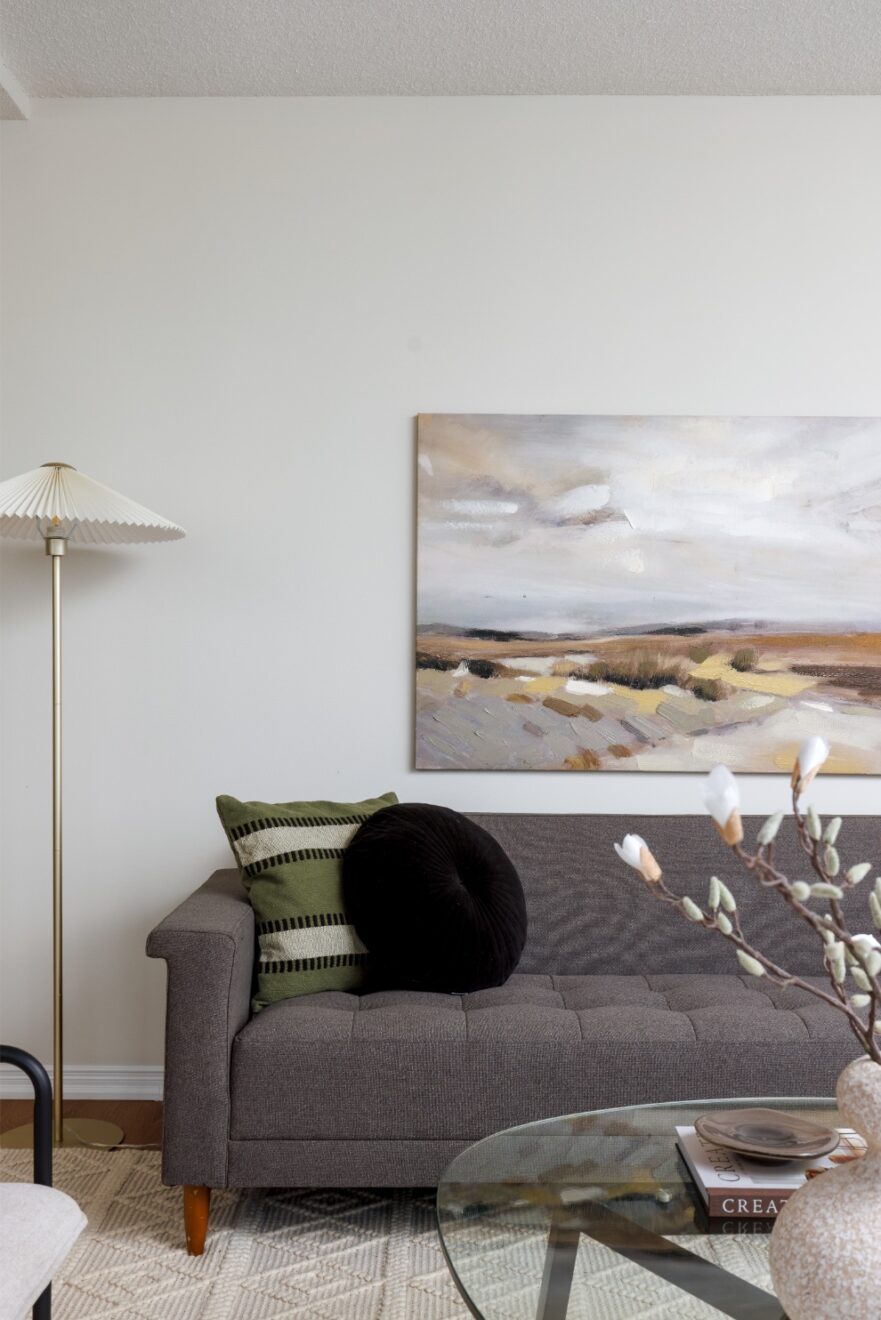
Quick Facts:
📍 Location: Yonge & Sheppard, North York
🏢 Property Type: Corner Condo Suite
📐 Approximate Size: 1,370 sq. ft.
🛏 Bedrooms: 2 + Solarium
🛁 Bathrooms: 2
🚗 Parking: 1 Space
📅 Days on Market: 45
👀 Showings: 26
📝 Offers: 3
💰 Result: $765,000. Firm
🎯 Biggest Lesson: A good selling strategy isn’t measured by how quickly you react. It’s knowing when the evidence says to adjust and when it says to stay the course.
KEY TAKEAWAYS
The Challenge
The condo had been largely unchanged for approximately 25 years and was competing against significant condo inventory, including newer alternatives.
The Strategy
Instead of proceeding with an approximately $100,000 full renovation, we focused approximately $35,000 on the updates we believed would have the greatest impact on buyer perception.
The Setback
A $770,000 conditional sale fell apart after we discovered the unit did not include the locker we believed it had.
The Result
After 45 days, 26 showings and three offers, the condo sold firm for $765,000.
The Lesson
Preparation matters. Pricing matters. Patience matters. But the real skill is understanding what the market is telling you before deciding what to change.
Every home has a story.
Most people only hear the ending. Sold.
Behind The Sale is where we pull back the curtain.
In this series, we share the preparation, decisions, negotiations and lessons behind real Toronto sales so homeowners can make better decisions when it’s their turn to sell.
THE STORY | PART 1: The $100,000 Question
Our client’s family had owned this condo for approximately 25 years. When it came time to sell, the suite was largely unchanged from when it had originally been purchased.
And it showed.
The finishes were dated. Carpet ran throughout much of the suite. The lighting, kitchen and bathrooms reflected another era.
But underneath those finishes was something much harder to create.
Space.
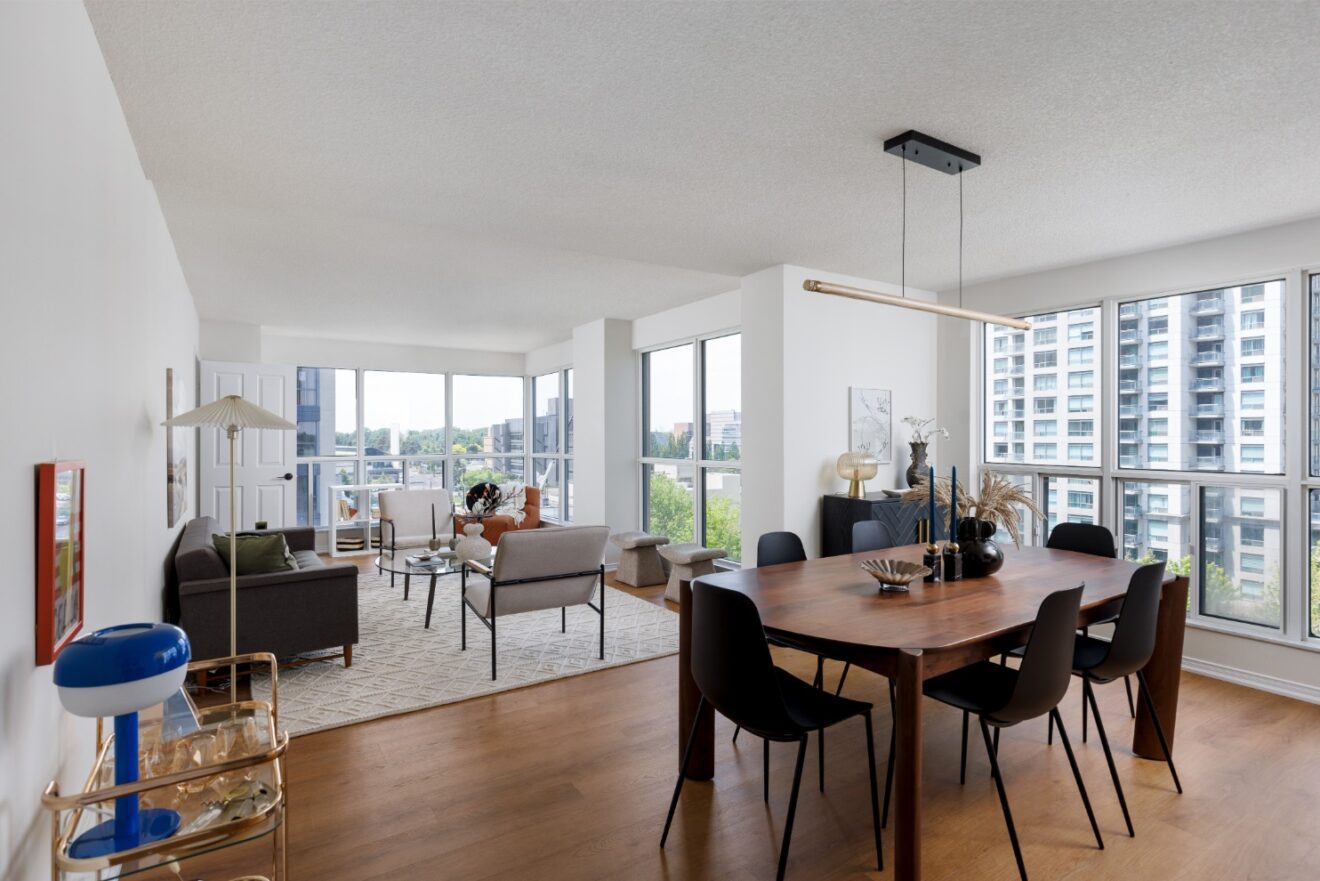
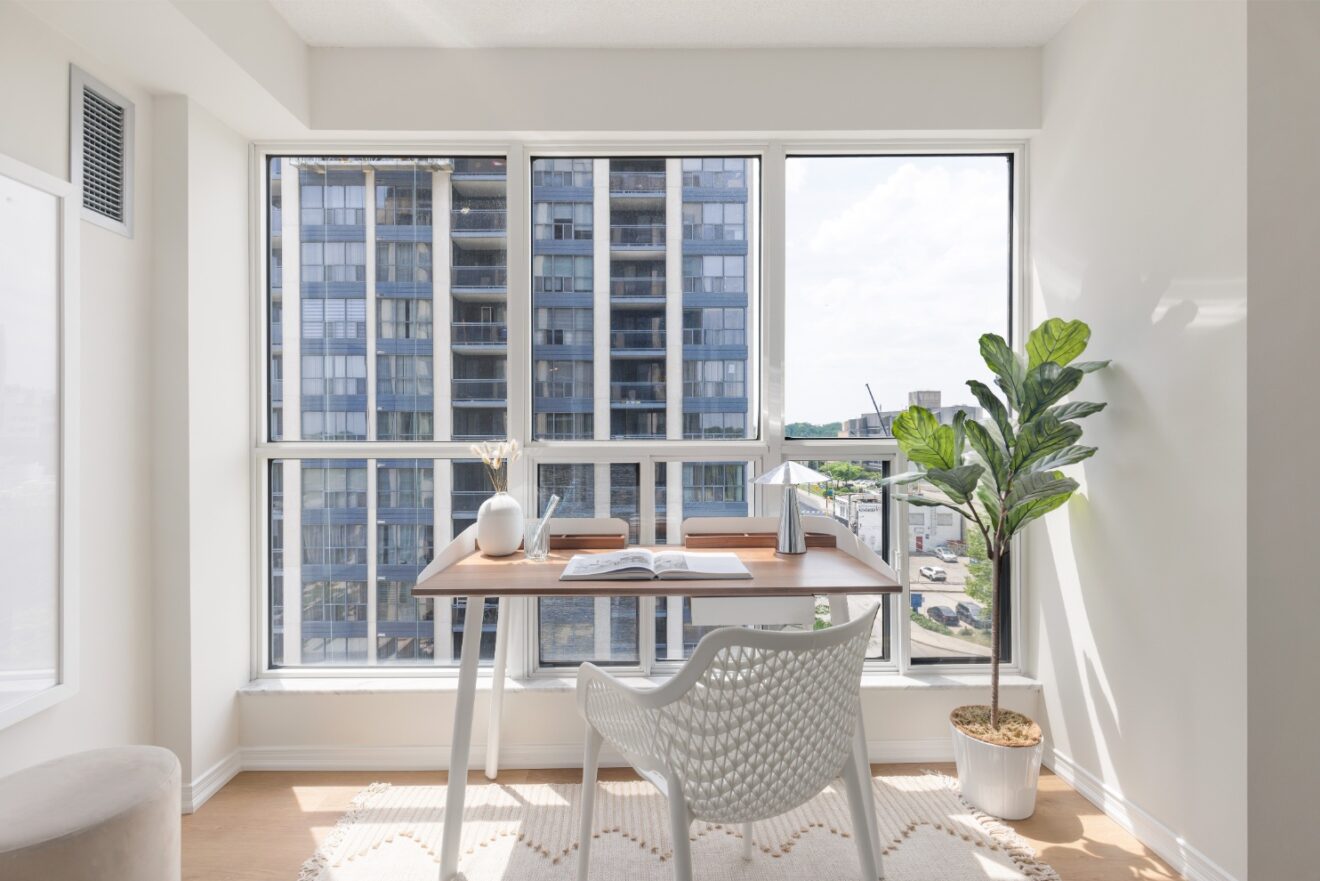
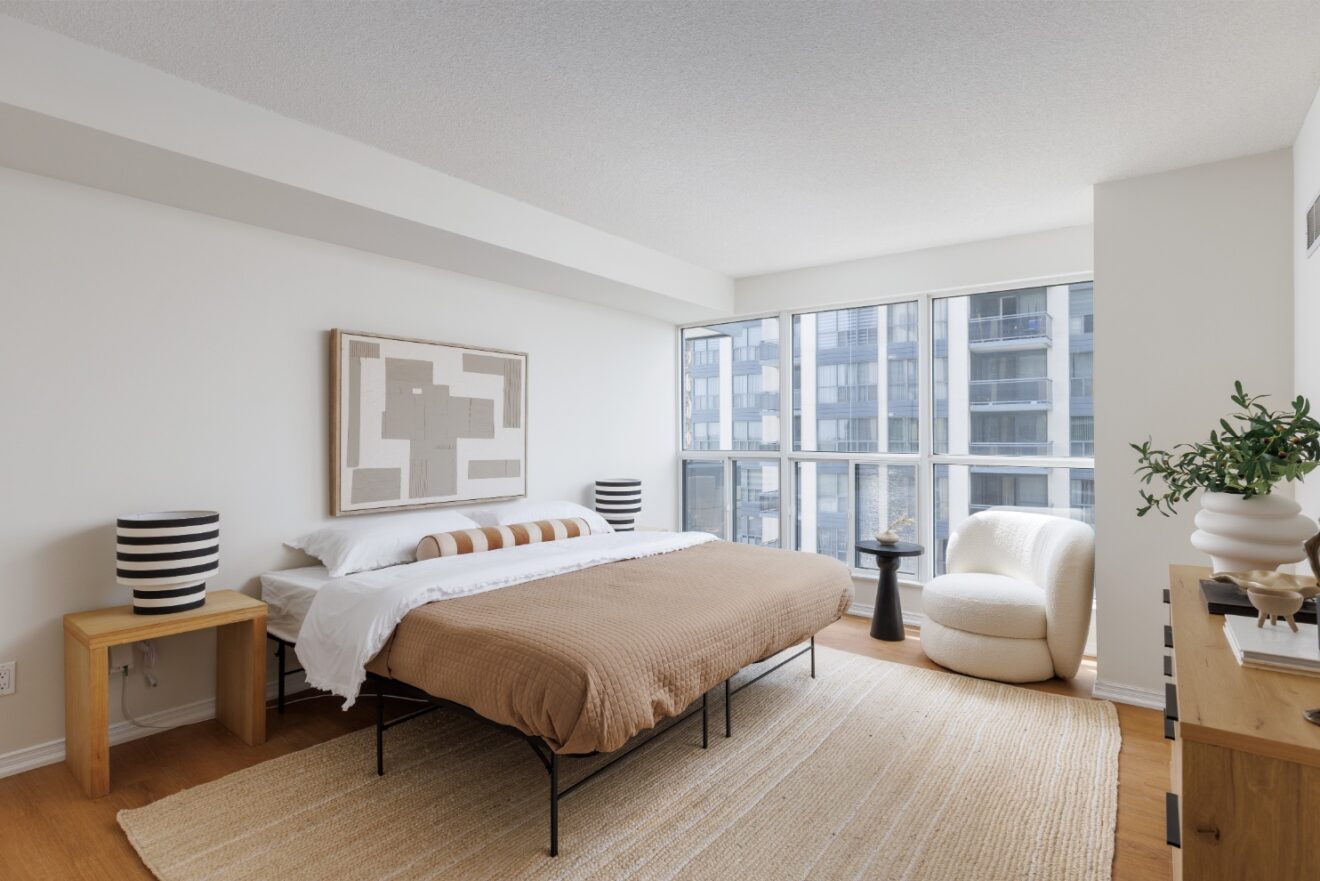
At approximately 1,370 square feet, the corner suite offered two bedrooms plus a solarium, two bathrooms, generous principal rooms, plenty of windows and natural light.
The question wasn’t whether the condo needed preparation.
It did.
The question was how far we should take it.
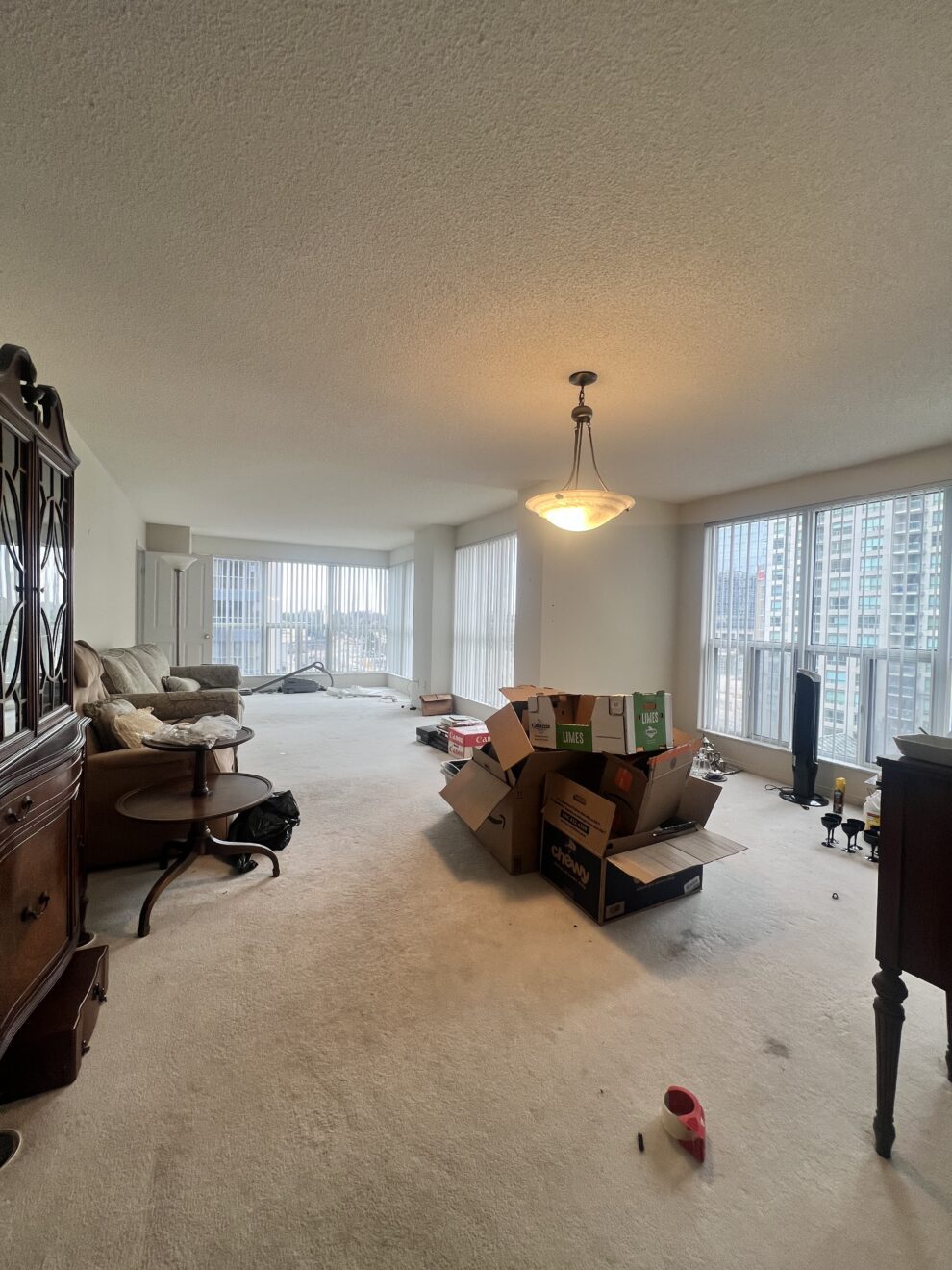
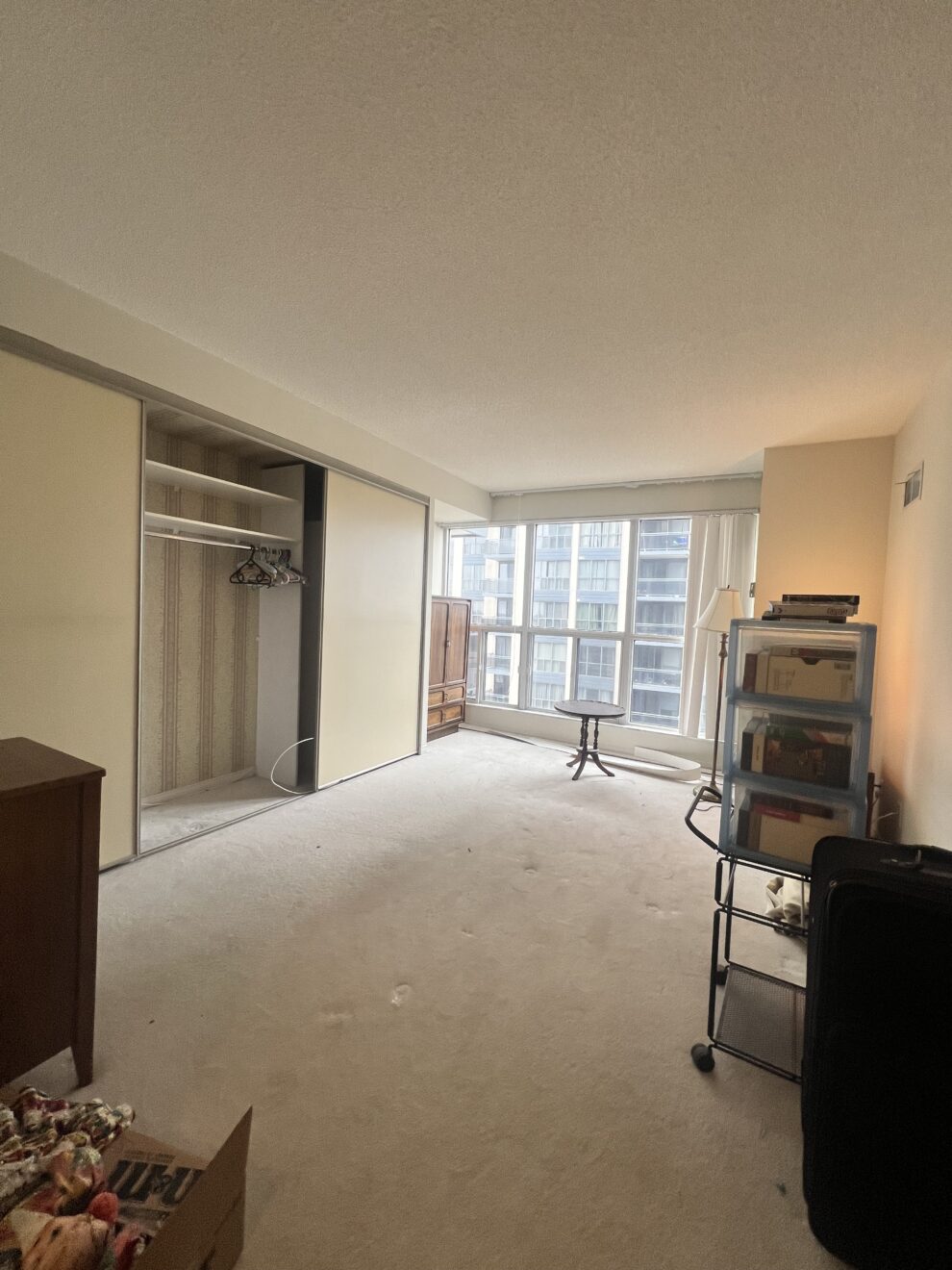
Our first thought was a more comprehensive renovation.
The quote came back at approximately $100,000.
That could have created a significantly more updated condo.
But it couldn’t guarantee a faster sale.
And it couldn’t guarantee that every additional dollar invested would come back to the seller.
The Yonge and Sheppard condo market gave buyers plenty of choice, including newer buildings and suites with features this property simply couldn’t add through renovation.
So we went back to the drawing board.
Instead of asking:
“How do we completely renovate this condo?”
We asked:
“What actually needs to change for buyers to see the value that’s already here?”
That question changed the strategy.
🎬 WATCH THIS CHAPTER | Chapter 1 • The $100,000 Question
A full renovation was quoted at approximately $100,000. Before committing to that expense, we reconsidered what buyers actually needed to see differently.
PART 2: The $35,000 Transformation
The revised scope came to approximately $35,000.
The objective wasn’t to make a 25-year-old condo brand new.
It was to remove the things distracting buyers from its best qualities.
We painted the entire suite, including the kitchen cabinets.
The carpet was replaced with luxury vinyl flooring.
Lighting was changed.
Kitchen appliances were updated.
Door, kitchen and bathroom hardware was refreshed.
Both bathrooms received targeted fixture updates.
An awkward closet was removed from the primary bedroom because the room already had a walk-in closet and functioned better without it.
Even the dated silver kitchen ceiling panels were replaced with white ones.
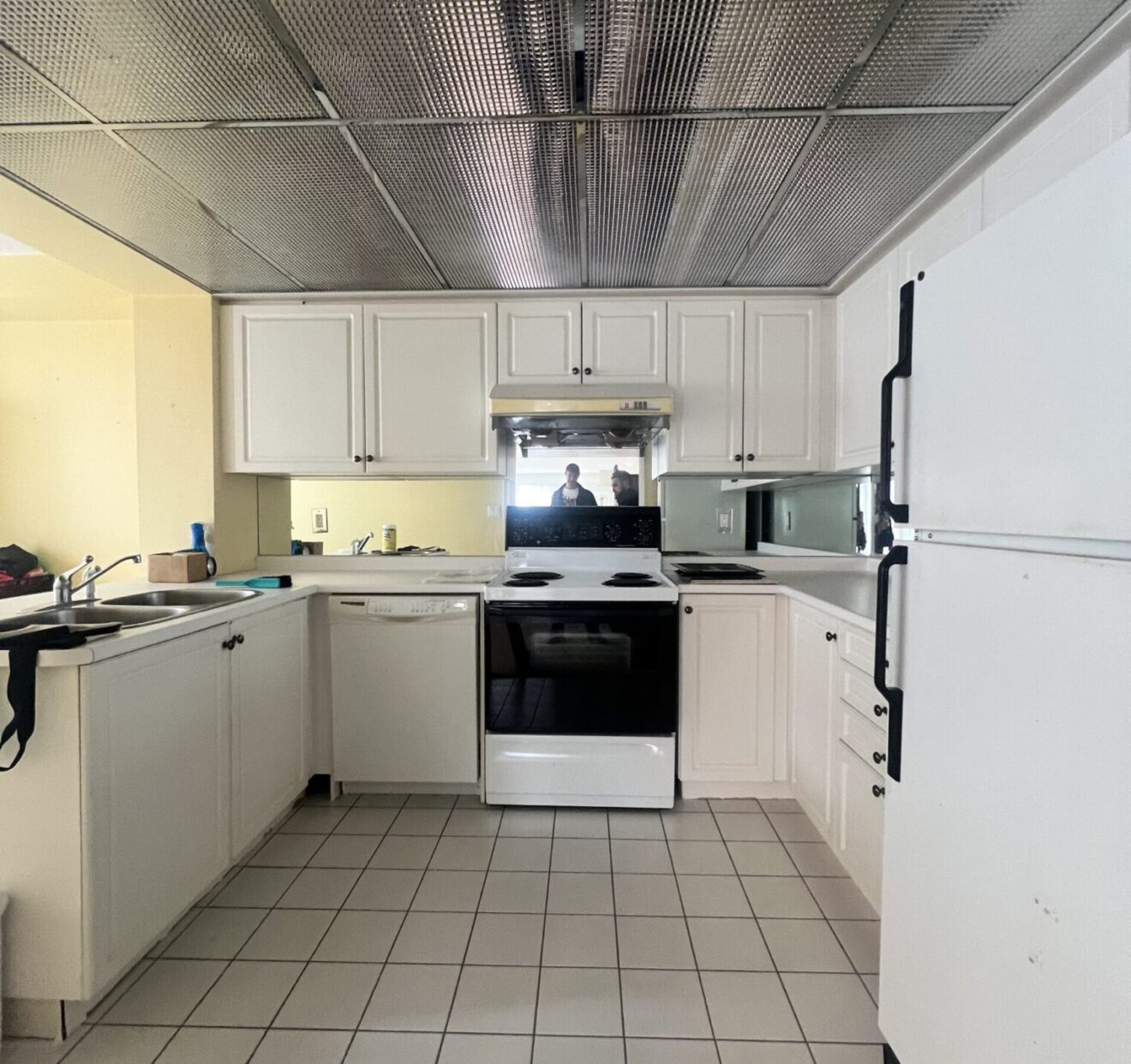
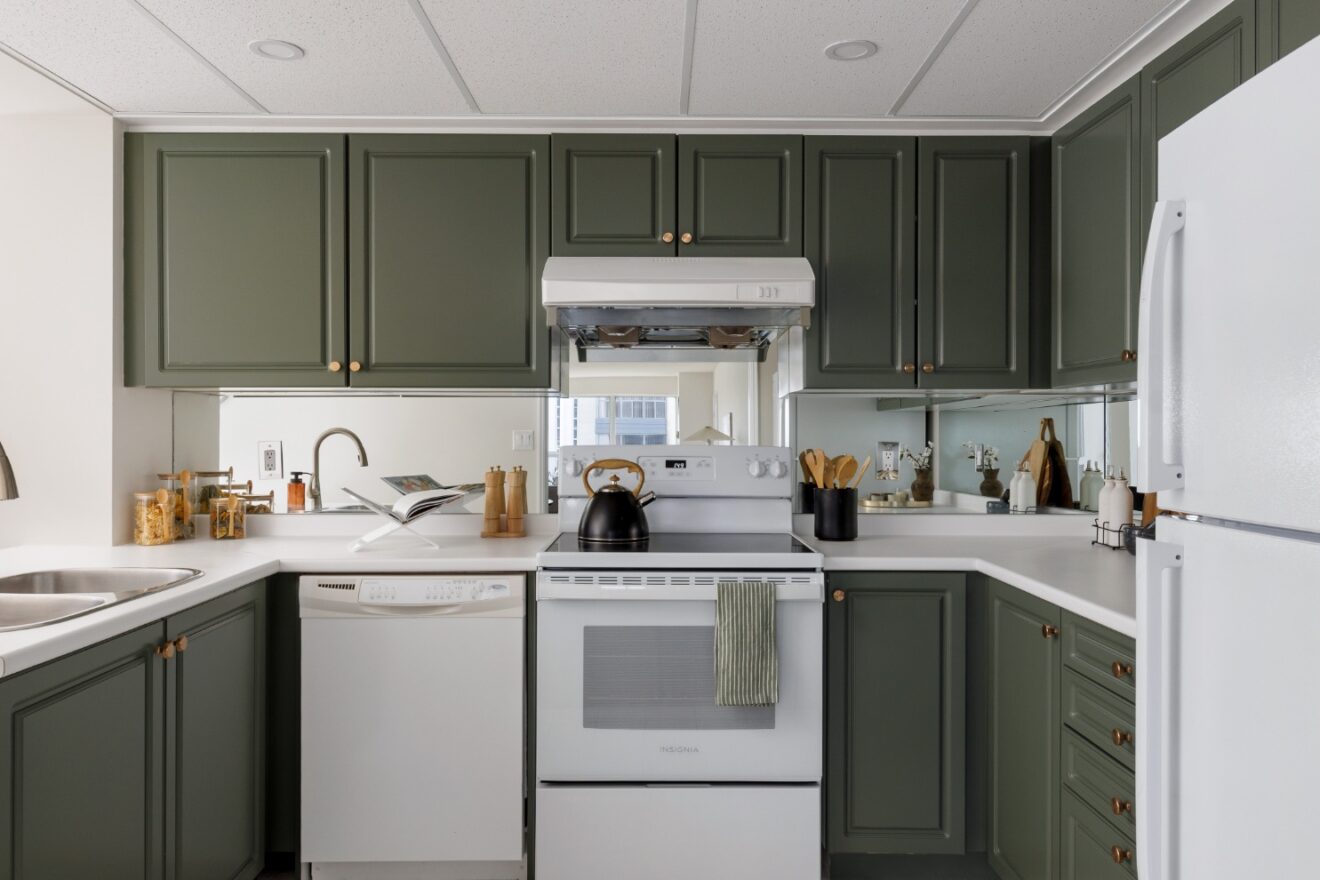
None of these decisions individually reinvented the condo.
Together, they changed the way the space felt.
Then came staging.
Rather than trying to disguise the age of the building, the staging was designed to draw attention back to what buyers couldn’t easily find in many newer condos.
The space.
The light.
The layout.
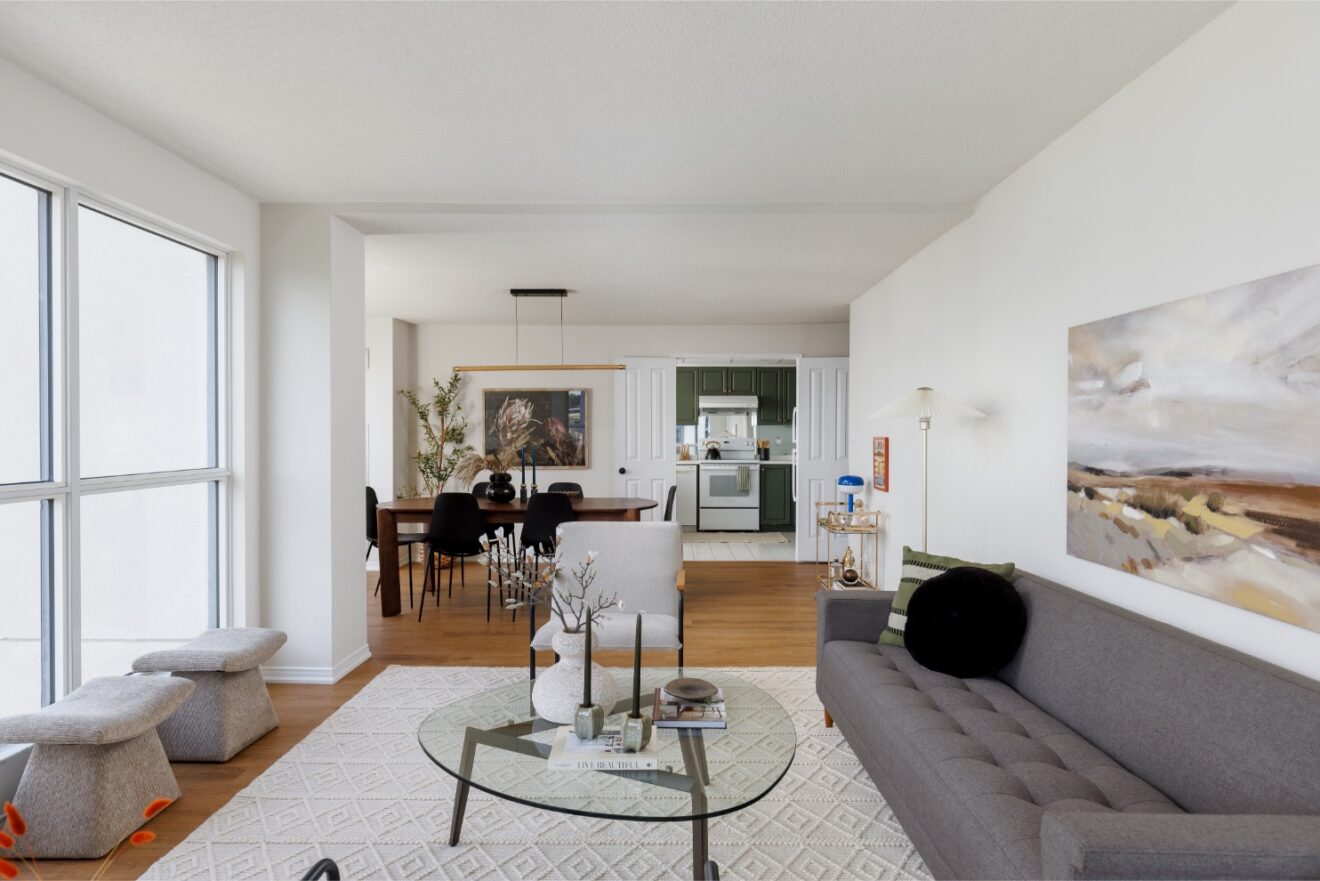
The goal wasn’t to make an older condo brand new.
It was to make its best qualities easier to see.
🎬 WATCH THIS CHAPTER | Chapter 2 • The $35,000 Transformation
Approximately $35,000 was directed toward paint, flooring, lighting, targeted updates and staging. The goal wasn’t to replace everything. It was to change how buyers experienced the space.
Then We Let the Market Decide
28 Hollywood Avenue launched at $799,000.
Over the next several weeks, the condo generated consistent showing activity.
The feedback was encouraging.
Buyers liked the size.
They liked the presentation.
They felt the pricing was reasonable.
But there were objections we couldn’t renovate away.
Some buyers preferred newer buildings.
Some wanted a balcony.
Others had only recently begun looking and weren’t ready to make a decision.
That distinction mattered.
Because there is a difference between buyers rejecting a property and buyers simply not being ready to buy it.
Eventually, we received our first offer.
It was well below where we believed the property should sell, and the buyers weren’t prepared to move enough for us to reach an agreement.
So we walked away.
The showings continued.
Then came offer number two.
PART 3: The Deal That Fell Apart
After negotiating the second offer, we reached $770,000 and conditionally sold the condo.
Then we discovered we’d made a mistake.
We believed the suite included a locker.
It didn’t.
As soon as we discovered the error, we disclosed it to the buyer.
The buyer wanted an adjustment to the purchase price.
We weren’t prepared to renegotiate the sale on that basis.
Ultimately, the buyer chose to walk away.
The deal fell apart.
And after weeks on the market and finally getting an agreement together, we were back where no seller particularly wants to be.
Back on the market.
But a setback doesn’t automatically mean the strategy that brought you there was wrong.
The property continued to show.
Then offer number three arrived.
After another difficult negotiation, we reached:
$765,000. Firm.
Only $5,000 below the conditional agreement that had fallen apart.
But there was an important difference.
Certainty.
🎬 WATCH THIS CHAPTER | Chapter 3 • The Deal That Fell Apart
After reaching a $770,000 conditional agreement, we discovered an error regarding the locker and disclosed it immediately. The buyer ultimately walked away. The next agreement came together at $765,000, firm.
PART 4: Knowing When to Adjust. And When to Stay the Course.
28 Hollywood Avenue took 45 days to sell.
We’re not hiding that number.
It’s one of the reasons we think this sale is worth talking about.
Real estate marketing tends to celebrate speed.
Sold in two days. Multiple offers. Over asking.
Those can all be excellent outcomes.
But not every successful sale looks like that.
Over Hollywood’s 45 days on market, we had 26 showings and three offers.
More importantly, the feedback remained remarkably consistent.
Buyers liked the size.
They liked how the condo showed.
They felt the pricing made sense.
So every week we had to ask ourselves:
Is the market telling us something needs to change?
Or:
Has the right buyer simply not made the decision yet?
Those are not the same thing.
There were plenty of opportunities to react simply because another week had passed.
Reduce the price.
Change course.
Do something just to feel like we were doing something.
But activity remained consistent.
Feedback remained positive.
Offers eventually came.
So we didn’t confuse patience with failure.
That doesn’t mean sellers should always wait.
Sometimes the evidence is very clear.
If buyers consistently reject the price, presentation or positioning, the strategy may need to change.
The difficult part is knowing the difference.
🎬 WATCH THIS CHAPTER | Chapter 4 • Knowing When to Adjust. And When to Stay the Course.
Forty-five days on market wasn’t the reason to change strategy. The decision had to come from what buyers were actually telling us through showings, feedback and offers.
What Toronto Condo Sellers Can Learn From This Sale
Don’t Automatically Renovate Everything
A dated property doesn’t automatically require a complete renovation before listing.
Start by identifying what buyers will compare your home against, what your property already does particularly well and which improvements are most likely to change buyer perception.
Some Objections Can’t Be Renovated Away
Hollywood didn’t have a balcony.
The building wasn’t new.
No amount of money spent inside the suite could change those facts.
That matters when deciding how much capital to invest before selling.
Read the Feedback, Not Just the Days on Market
Days on market is a number.
What buyers are doing during those days provides context.
Consistent showings and positive feedback tell a very different story than declining activity and repeated objections to price.
Price Isn’t the Only Part of an Offer
The conditional agreement was $770,000.
The eventual firm agreement was $765,000.
The second number was lower.
But after the previous deal had fallen apart, the certainty of a firm agreement had real value to the seller.
When Something Goes Wrong, Deal With It Directly
We made an error regarding the locker.
Once we discovered it, the correct next step was straightforward.
Disclose it.
The buyer then had the information required to make their own decision, and we had to navigate what came next.
💡 ONE THING WE’D DO FIRST
Before renovating anything, understand how your home needs to compete.
One of the easiest mistakes a seller can make is starting with a renovation list.
Start with the market instead.
What will buyers compare your home against?
What does your property already do better than those alternatives?
What might prevent buyers from seeing that value?
And which improvements are actually capable of changing that?
Sometimes the answer is a significant renovation.
Sometimes it’s paint, flooring, lighting and staging.
And sometimes the smartest thing to renovate is nothing at all.
Preparation isn’t about spending the most money.
It’s about knowing where the money will actually make a difference.
FREQUENTLY ASKED QUESTIONS:
Not necessarily. The right decision depends on the condition of the condo, competing inventory, likely buyer expectations, the cost of the improvements and how much those changes could realistically affect buyer perception and value.
Days on market should be considered alongside the property’s price point, location, competing inventory, showing activity, buyer feedback and current market conditions. The number alone doesn’t explain whether a listing strategy is working.
Staging can be particularly useful when the property’s strongest qualities, such as room size, natural light or layout, aren’t immediately obvious to buyers. The objective is to help buyers understand how the space can function and feel.
Not automatically. Price adjustments should be considered alongside showing activity, feedback, competing listings, new market data and offers received. Sometimes the evidence supports a change. Sometimes it supports patience. Always consult your trusted advisor, your agent!
The appropriate response depends on the facts and the agreement. In this sale, once we discovered the locker discrepancy, it was disclosed to the buyer and the parties then made their respective decisions about how to proceed.